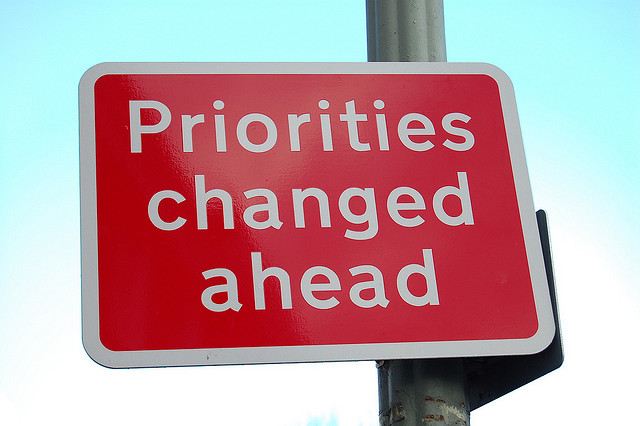
Changes are an inevitable part of life and also of project management. This is almost the only thing you can be sure of. With the right methods, project managers can manage and control change.
Photo by Flickr User Juan J. Martínez, Licensed under CC BY 2.0
“There is nothing permanent except change.” – Heraclitus
Yet, people don’t like change. An example: every time Facebook, Twitter or any other website changes its user interface, there is a huge outcry. No exception. People like the familiar because it is safe and there are no surprises. Many forget that change is not automatically something negative. On the contrary, without change there would be no progress. This is why you should embrace change and change management.
Definition of Change Management
Change is usually defined as getting from a current state to a future state. The purpose of change management is to make sure that this change happens in an orderly way and that its implementation is successful. It also verifies that the change benefits the objectives of a project. It is important to remember that change does not happen in a bubble; it affects every department and person involved in a project.
Change Management in Project Management
At one point or another, a project manager will have to make changes to the project, which means changing one or more of the triple constraints. The reasons can be internal requirements, but also external sources. In extreme cases, a lack of change management can cause projects to fail, for example because they did not adapt to changing conditions.
It is important to have a structured approach to identifying and controlling changes to the original project plan. In the best case, your plan is so good that you won’t have to change it. But as mentioned above, changes often occur over the course of a project.
The Change Management Process
1. Change Request
Changes need to be approved, so someone has to formally request them. Often customers will request changes to the previously agreed project plan, so they will usually cover any additional costs caused by the change. Sometimes a change is also needed if the project does not yet meet all requirements, e.g. if the quality of deliverables is not up to par.
2. Identify and Prioritize
The first step is to identify whether the change is really necessary and, if so, what kind of change it is (organizational, process, system etc.). A change list or register helps to keep an overview. After that, sort the changes in order of importance, i.e. prioritize them. You also need to identify which tasks are required to bring about the change.
3. Assess and Communicate
Assess what impact the change will have on all aspects of your project (time, cost, scope, risks etc.) and who will be affected by it. The human aspect is the most important one in change management: even the best laid-out plan and smoothly executed change will fail if the people directly affected reject it. For example, you could buy great software, but if your team refuses to use it, it was for nothing. This is why you need to communicate with your team and everyone affected, so they understand why the change is important. This will help get them behind your change plan. Also check whether the change is the best possible option or whether there is a better alternative.
4. Write a Plan
The next step is to create a change plan. It should cover all aspects identified in steps 2 and 3: the problem and how to deal with it, the steps your team has to take to achieve the change, who is involved and affected, and how much time and budget you need.
5. Implement and Review
Now it is time to implement your change plan. You also need a way to measure whether the change has fulfilled its purpose. During implementation, regularly verify that the change process is going according to plan and has been implemented successfully.
Read more about other aspects of project management:
Part 1: Time Management
Part 3: Resource Management
Part 4: Task Management